How Africans Are Lured Into Their Untimely Graves by the Kremlin.
By Owolola Adebola
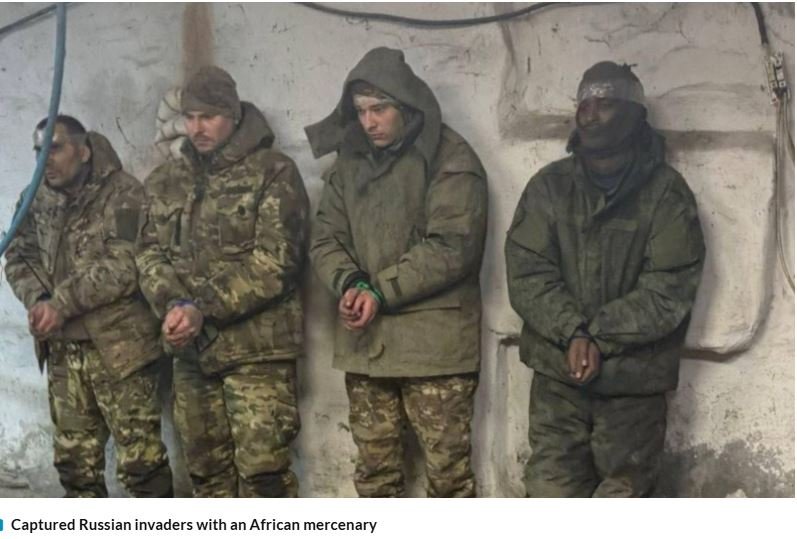
In the shadows of Moscow’s geopolitical ambitions, a grim trade has emerged. Young Africans, desperate for opportunities in economies strained by unemployment, poverty, and instability, are being drawn into Russia’s war machine. What begins as promises of high-paying jobs, education, or a better life often ends in the frozen trenches of Ukraine or the blood-soaked battlefields of Africa’s own conflicts, where Russian proxies operate with impunity. Investigations reveal over 1,400 Africans recruited to fight for Russia in Ukraine between 2023 and 2025, with more than 300 confirmed dead—a mortality rate exceeding 22%.
This is nottunism; it is a calculated strategy by the Kremlin to offset massive casualties in its war against Ukraine while expanding influence and extracting resources across the African continent. Through networks of recruiters, social media influencers, and intermediaries, Russia exploits the dreams of the vulnerable, turning them into disposable cannon fodder.
The Bait: False Promises on Social Media and Beyond
Recruitment often starts online. Young men from Nigeria, Ghana, Kenya, Cameroon, Egypt, and dozens of other nations scroll through ads promising lucrative work in Russia—factory jobs, security roles far from combat, scholarships, or even pathways to citizenship. Some are approached via Telegram channels, WhatsApp groups, or influencers touting “opportunities” in the Russian military or private firms.
Malick Diop, for example, sought education in Russia to support his family but found himself tricked into combat. Many others describe arriving on student or work visas only to face pressure—or outright coercion—to sign military contracts. Bonuses of thousands of dollars are dangled, but reports indicate many go unpaid, with recruits thrust into assault waves with minimal training.
Ukraine’s “I Want to Live” program, which encourages Russian soldiers to surrender, has provided databases listing names, birth dates, and contract details of over 1,417 African recruits from 35 countries. Egypt supplied the largest contingent (around 361), while Cameroon has suffered devastating losses, with reports of up to 94 deaths among its nationals.
Families back home often lose contact for months. Some learn of deaths only through official notifications or grim videos circulating online. Ghana has reported around 272 nationals lured in, with over 50 killed. South Africa, Kenya, and others have raised diplomatic concerns and sought repatriations.
Cannon Fodder on the Ukrainian Front
Russia’s manpower shortages are acute after years of grinding attrition. Rather than relying solely on its own citizens or convicts, the Kremlin has globalized its meat grinder. African recruits are frequently deployed in high-risk “storm” units—human wave attacks on fortified Ukrainian positions. Survivors report being used as “meat shields,” clearing mines with their bodies or leading suicidal assaults.
Ukrainian officials estimate over 1,780 Africans from 36 countries fighting for Russia, with the true figure possibly higher. Many die within months—or even weeks—of arrival. Of the identified cases, over 300 perished on average within six months, with 51 dying in their first month.
These fighters are not always willing volunteers. Testimonies describe deception, withheld passports, threats, and poor conditions. Language barriers compound the danger: recruits with little combat experience or Russian proficiency are thrown into the fray. Captured Africans in Ukrainian custody have recounted being trafficked under false pretenses.
This exploitation echoes historical patterns of foreign powers using colonial or impoverished troops as expendable forces. For the Kremlin, it is cost-effective: dead foreigners generate less domestic backlash than dead Russians.
Wagner/Africa Corps: Blood for Resources in Africa
The Kremlin’s deadly lure extends deep into Africa itself. The Wagner Group—rebranded as Africa Corps after the 2023 mutiny and death of Yevgeny Prigozhin—has embedded itself in countries like the Central African Republic (CAR), Mali, Sudan, Libya, and Burkina Faso. In exchange for military support propping up juntas or embattled leaders, Russia secures access to gold, diamonds, timber, and other resources.
Wagner fighters have been accused of systematic atrocities: massacres of civilians, rape, torture, and village razings to control mining areas. In CAR, they allegedly killed hundreds to secure gold and diamond concessions. In Mali, operations coincided with surges in civilian deaths and a 278% increase in terrorist violence in some periods. UN and human rights reports document indiscriminate killings, such as the Moura massacre where hundreds of civilians died.
Estimates suggest Wagner/Africa Corps forces killed at least 1,800 African civilians by mid-2023. These operations destabilize rather than secure, perpetuating the insecurity that justifies their presence. Locals are displaced from artisanal mines, which Russians then exploit, sometimes using counterfeit currency or outright violence.
African governments, frustrated with Western partners or facing insurgencies, turn to Russia for “no-strings” support. Yet the price is high: eroded sovereignty, resource plunder, and cycles of violence that claim local lives while enriching Moscow and its proxies.
Propaganda as the Enabler
The Kremlin amplifies its reach through sophisticated disinformation. Russian-backed outlets, influencers, and campaigns exploit anti-colonial resentments, portraying Russia as a liberator against “Western imperialism.” Networks like African Initiative and others spread narratives undermining democracy, health initiatives, and Western partnerships while glorifying Russian “partnerships.
This soft power paves the way for hard exploitation. Social media amplifies success stories while downplaying the body bags returning home.
The Human Cost and African Responses
The toll is heartbreaking. Families in Cameroon, Ghana, Kenya, and elsewhere mourn sons lost in a foreign war, often without bodies returned. Survivors speak of trauma, betrayal, and abandonment. African governments have issued warnings, engaged diplomatically, and in some cases confronted Moscow.
Yet systemic issues—youth unemployment, weak governance, and porous borders—make the lure persistent. Russia denies illegal recruitment, framing it as voluntary contracts, but evidence of deception is overwhelming.
A Call for Awareness and Action
The Kremlin’s strategy reveals a cynical calculus: African lives are cheap collateral for imperial revival. Whether on Ukrainian fronts or African soil, the pattern is the same—promises of prosperity masking graves.
Africans must heed the warnings. Governments should strengthen consular protections, regulate recruitment, and invest in domestic opportunities. Regional bodies and the African Union could coordinate responses, demanding accountability for atrocities and resource theft. International partners must expose these networks without replicating exploitative dynamics.
The young men boarding planes to Moscow seeking a future deserve better than unmarked graves in Donbas or the Sahel. The Kremlin’s graveyard shift must be confronted with truth, vigilance, and solidarity—before more dreams turn to dust.