Stakeholders Brainstorm On Policy Reforms, Legislative Actions To Enhance Girls’ Education.
By Ferdinand Olise
The Center for Girls’ Education has underscored the importance of ensuring quality education for young people especially adolescent Girls, in a bid to positively shape their future.
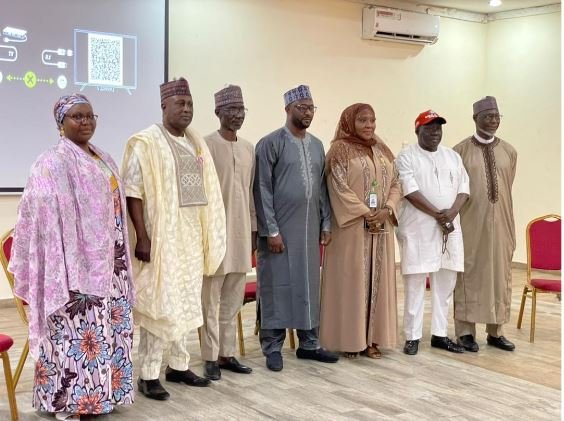
At a one-day Critical Stakeholders Meeting on the Strategic Institutionalisation of Life Skills Under the AGILE Project in Kaduna State, held in Abuja, the Executive Director, Center for Girls’ Education, Hajiya Habiba Mohamed, who was represented by her Deputy, Maryam Albashir, in her speech said their resolutions at the meeting marks a clear transition from project-based experimentation to system-level reform in how we prepare young people, especially girls, for life beyond the classroom.
She said their Safe Space model, a structured, mentored approach that blends life skills, literacy, numeracy, health knowledge, and leadership within environments that families and communities trust, ensures that schooling actually equips girls with the skills, confidence, and agency to shape their own lives.
“Today’s engagement reflects that the conversation has moved from whether Life Skills matter, to how they can be sustainably embedded in the education system. Central to this shift are ongoing policy reforms and legislative actions, including updates on a draft Bill to institutionalize Life Skills as a co-curricular subject across public secondary schools in Kaduna State.
“This proposed reform has far-reaching implications for learners, teachers, schools, and the broader education system, as well as for girls’ education, protection, and long-term life outcomes.
According to her, across multiple independent evaluations and large-scale programmes, including Adolescent Girls Initiative for Learning and Empowerment (AGILE, supported by the World Bank) and Adolescent Girls Initiative (AGI supported by UNFPA), they have seen consistent results in improved school retention, delayed marriage for young adolescent girls, stronger voices and decision-making among girls, and healthier relationships between schools, families, and communities.
“Life skills are not soft outcomes, they are foundational capabilities that protect learning, dignity, and future opportunity. We are particularly encouraged by the institutional framework discussed and strengthened today, which outlines a clear pathway for embedding Life Skills education into Kaduna State’s education system.
This includes formal policy and legal integration through State education policies and development plans; curriculum adoption of the Life Skills manual; and the creation of dedicated budget lines to sustain delivery across public schools.
“Equally important is the emerging governance structure, with clear leadership roles for the Ministry of Education, SUBEB, the Senior Secondary Schools Education Board, and the Kaduna State School Quality Assurance Authority. Integrating Life Skills indicators into existing monitoring systems ensures that this reform will be tracked, improved, and owned by the system itself.
Speaking on the responsibility of the Kaduna State House of Assembly in ensuring regulations and important passage of bills that guarantees quality education for young people, especially for adolescent girls, the Chairman House Committee on Education Kaduna State House of Assembly, who is also the Deputy Chief Whip and member representing Zaria City constituency, Hon Mahamud Ismaila, said the Assembly will ensure that legislations and proposed bills that will ensure quality education, especially for girls, are passed, and guaranteed, and also to ensure that young people of the State are in school.
On her part, the Project Coordinator, Adolescent Girls Initiative for Learning and Empowerment (AGILE), Kaduna State, Hajia Maryam Sani Dangaji, highlighted the importance of the process and the stakeholders meeting, as well as the critical role of religious leader in the process.
” The institutionalization of life skills into the State education curriculum cannot be done just by a pronouncement, you need to get critical stakeholders,
you need to get their buy-in. You see this interfaith, religious bodies, they are very critical. We will get community pushback, Parents, guides, and our Clerics or Clergy, we have to get their buy-in.
“Is it the Ministry of Information, Budget and Planning
so we get a budget line for it? The main Ministry of Education, the training of mentors, teachers, community facilitators”, she said..
Discussions at the meeting also focused on policy reforms and legislative actions, including updates on a draft bill to institutionalize Life Skills as a co-curricular subject across public secondary schools in Kaduna State.